


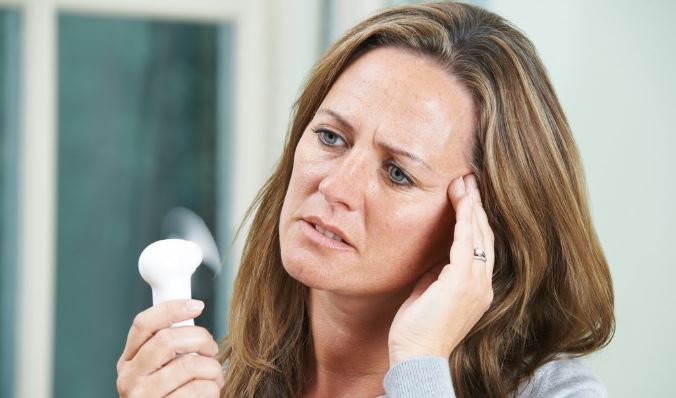
Many perceive menopause as challenging as this natural transition can affect the dynamics of sexual health and intimate relationships, which occurs due to declining levels of estrogen and testosterone, resulting in reduced sexual desire or physical discomfort. Yet, some do see a brighter side of this natural change with with an enhanced sexual freedom due to the passing of the risk of pregnancy.
Physical and emotional changes
Following are common symptoms which can impact intimacy, directly or indirectly due to the hormonal change
- Sleep and energy: Sleep can be disrupted with night sweating and hot flashes which could lead to irritability and fatigue which in turn negatively impact interest in sex
- Body outlook: Changes in weight and negative impact on the skin could reduce confidence and a sense of less desirable feeling can creep in
- Less arousal and reduced libido: Hormonal changes can have an impact in reducing sexual desire and less arousal to stimulation which can impact negatively in reaching orgasm
- Changes in the vagina: Due to the condition called vaginal atrophy or Genitourinary Syndrome of Menopause (GSM), inner tissues become thinner, drier and less elastic which can make penetrative sex painful and uncomfortable
Relationship dynamics
Understanding of the situation by both partners is of utmost importance and requires open communication to prevent any preventable feelings of frustration and rejection.
- Redefining intimacy: Sex does not mean only intercourse. Couples can find fulfilment through other means including cuddling, massage and other forms of non penetrative affection
- Communication: Open communication about what feels good and what does not will help in managing expectations and reduce anxiety
- Supportive partner: This is very important, A partner who empathize and understands with knowledge about menopause will be a comfort and not be an emotional burden on the menopausal partner
Remedies and management
Few affective ways to address the menopause symptoms
- Hormone therapy: Low dose vaginal estrogen via creams, rings or tablets can help safely restore tissue health with minimal systemic absorption. Systemic Hormone Replacement Therapy (HTR) may also help with broader symptoms like hot flashes
- Lifestyle: Regular exercises, a balanced diet and sufficient sleep will also help in managing the negative impacts
- Lubricants: Water based or silicone lubricants which are available over the counter can reduce friction and pain during sex while use of regular vaginal moisturizers can help maintain overall vaginal hydration
- Pelvic floor therapy: A specialized physiotherapist can help with muscle tension or weakness that may contribute to pain
- Sex toys: Use of appropriate sex toys can be used to add excitement and novelty which could support arrousal
Finally it is important to remember that safe sex remain an important factor. Menopausal individuals are still at risk of STD’s and the thinner vaginal tissues can make transmission more likely


